
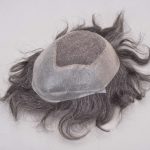






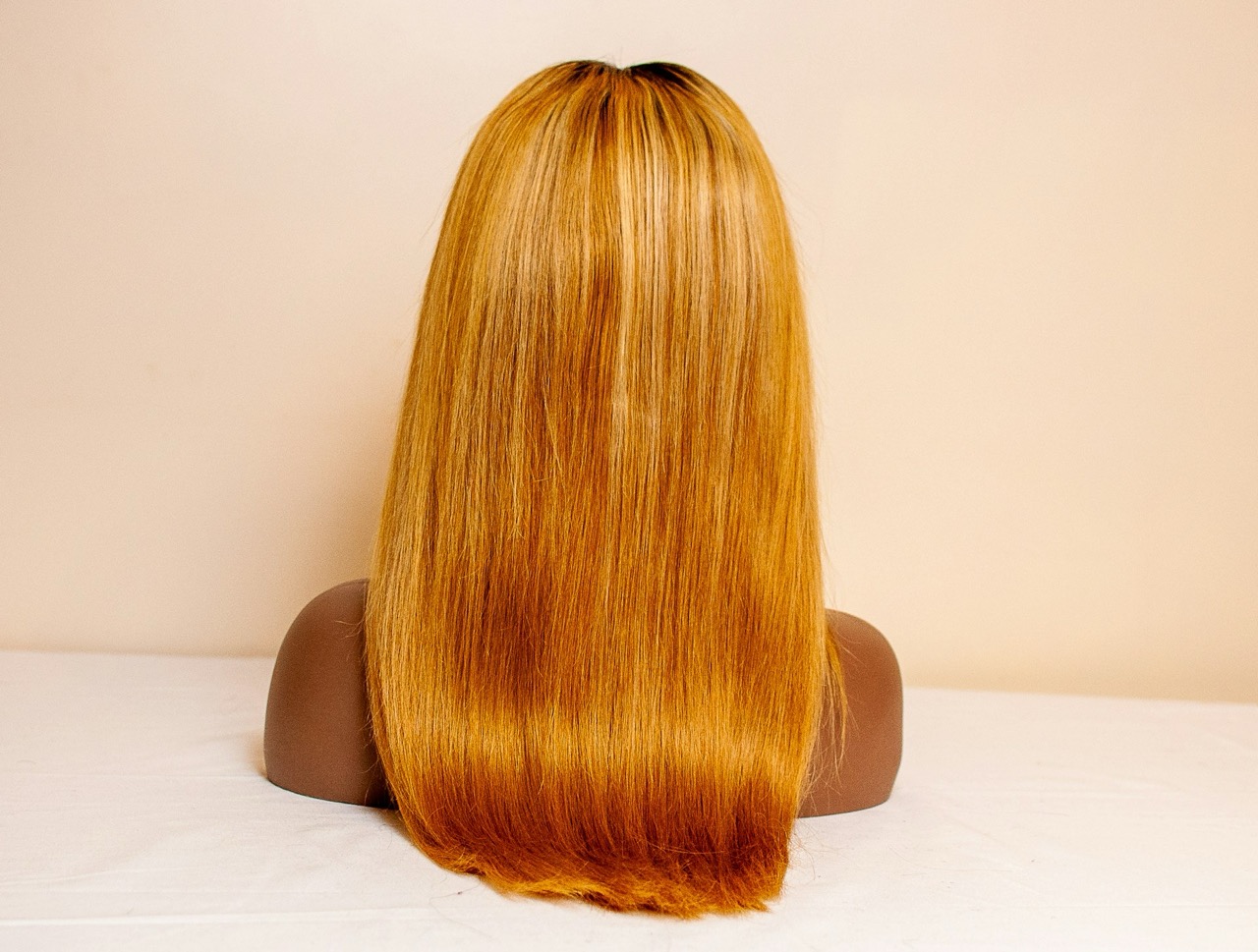
Ask around about scalp care under a wig and you will get two confident and opposite answers. One camp says daily wig wear suffocates the scalp and causes buildup, itching and eventually hair loss. The other says it makes no difference at all. The honest position sits between them, and it is worth understanding what the research actually covers before deciding how much to worry.
What accumulates under a covering
The mechanics are not mysterious. A wig cap sits against the scalp for hours. Sebum keeps being produced, dead skin cells keep shedding, and both now have somewhere to collect instead of dispersing. Add product residue from braid down, adhesive or wig grip, plus sweat, and you have a layer that would otherwise be partly rubbed away and aired out over the course of a normal day.
Heat and moisture are the other half. A covered scalp runs warmer and stays damper, particularly under a wefted cap or a poly base. That combination is what people mean when they talk about occlusion.
What the evidence actually says, and what it does not
Here is the important caveat: there is very little research on wigs specifically. The best available evidence on scalp occlusion comes from studies of people who wear head coverings regularly, mostly hijab, and while that is a reasonable analogy it is not the same thing. A wig cap is not a hijab, and neither study below examined wig wearers.
With that stated, the findings are useful. A cross sectional study in Scientific Reports comparing the scalp microbiome of healthy women wearing hijab with those not wearing hijab looked at 96 women, half of whom wore a covering at least 8 hours a day for at least 5 years. It found compositional differences: Staphylococcus capitis and Malassezia restricta were more prominent in the covered group, while Staphylococcus cohnii and Malassezia globosa were more prominent in the uncovered group. The authors concluded this indicates women wearing hijab may be more prone to seborrheic dermatitis. They were candid about limitations, noting a small sample size, only one primer for each of the fungal and bacterial analyses, and low statistical power for the bacterial results.
The barrier picture is more reassuring. A separate study evaluating scalp hydration and pH values in hijab wearing and non hijab wearing women measured 63 subjects and found no statistically significant difference in either scalp hydration or pH between the groups. Its conclusion was that habitual head covering should not be a barrier concern, with two conditions attached: no underlying scalp or skin disorder, and do not wear the covering in a wet condition.
Taken together, that suggests covering your head daily is not inherently damaging to the scalp barrier, but it may nudge the microbial balance in a direction associated with seborrheic dermatitis, and covering damp hair is the specific practice worth avoiding.
A realistic cleansing routine
Cadence depends on whether you have hair underneath, how oily your scalp runs, and how many hours a day you are covered.
- With hair underneath, braided down. Most people manage a full wash every one to two weeks, timed with taking the braids down, plus a scalp focused cleanse between if you run oily.
- With little or no hair. Cleansing is easier and can happen more often, since you are washing skin rather than working around a style. Daily or every other day gentle cleansing is workable for many people.
- Between washes. Scalp focused products applied with an applicator tip reach the skin without disturbing braids. Dry shampoo is a cosmetic fix for oil, not a substitute for cleansing.
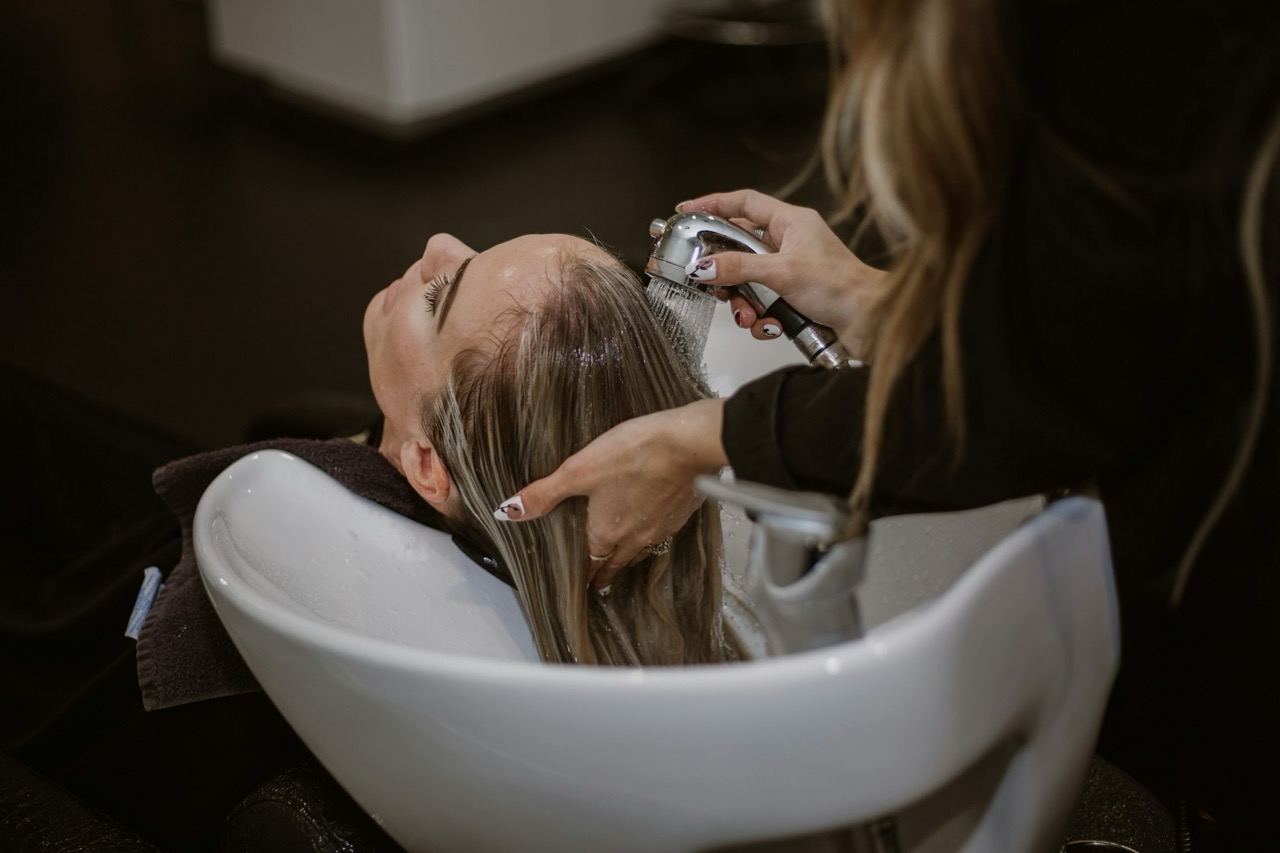
The one non negotiable is drying. Given the specific caution in that hydration study about wearing a covering while wet, put the wig back on only when your scalp and any hair underneath are genuinely dry, not almost dry.
Rest days and buildup
Time uncovered is the cheapest intervention available. Evenings at home, weekend mornings, any stretch where you do not need the wig on is time for the scalp to cool, dry and air out. People who wear daily for work often find that a couple of uncovered evenings a week makes a noticeable difference to itching, without changing anything else.
Rotating between two wigs helps as well, mostly because it means each cap gets washed and fully dried more often.
When to stop and get advice
Ordinary dryness or occasional itch after a long day is routine. Persistent itching, flaking that does not respond to normal washing, redness, pustules, tenderness, sores, or any hair loss are not, and those are reasons to see a board certified dermatologist. Continuing to try new products on a scalp that is already inflamed usually makes the picture harder to sort out. This article is informational and is not a diagnosis or a treatment recommendation.