





Wig listings are written in a private language, and a fair amount of it is deliberately vague. Below are the terms you will actually run into, grouped by where they appear, with a note on which ones mean something enforceable and which ones mean whatever the seller wants.
Cap and construction terms
- Cap: the base the hair is attached to. Cap size: usually petite, average or large, and not standardized between brands.
- Weft: a curtain of hair sewn along a seam. Machine wefted or basic cap: rows of wefts stitched to the base. Open weft or capless: gaps between rows for airflow.
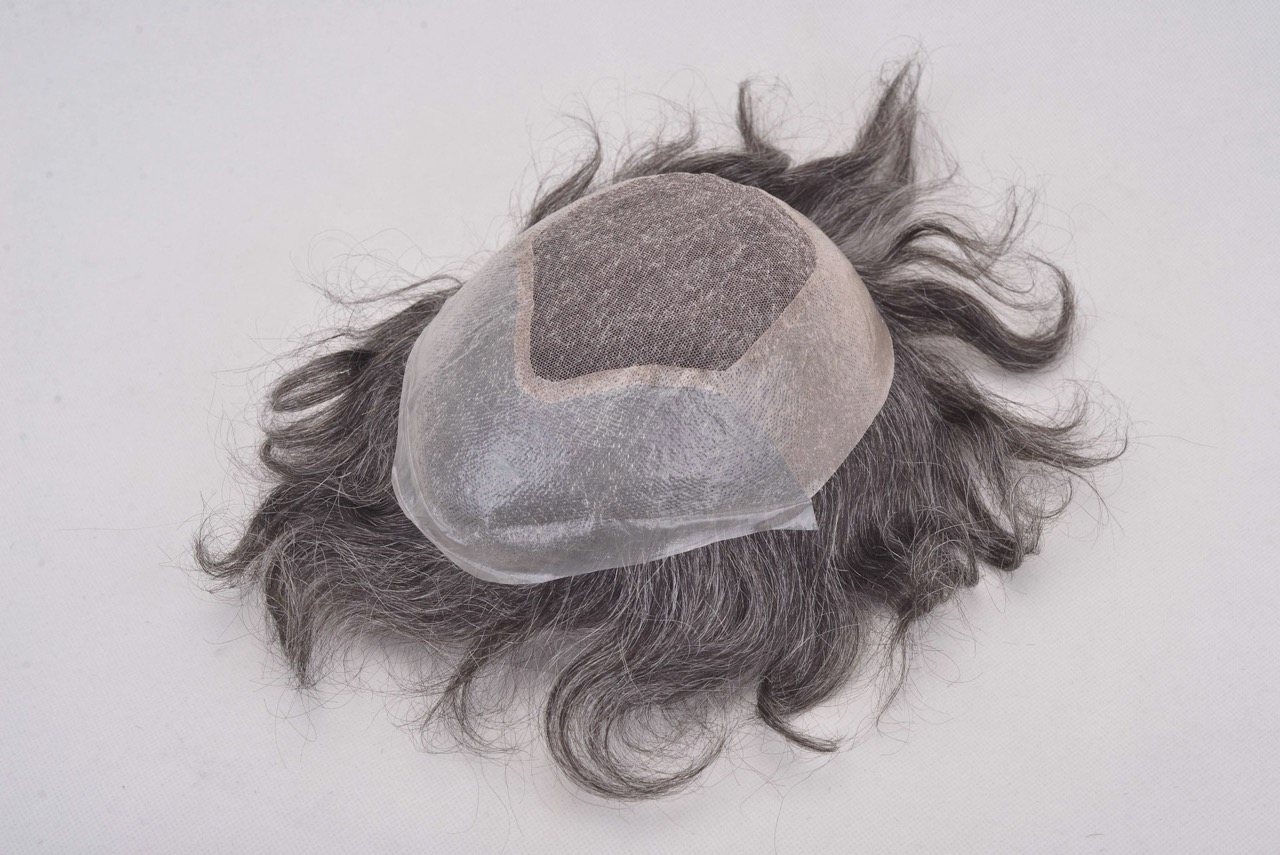
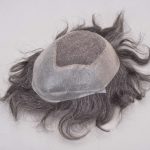
- Hand tied or ventilated: hairs knotted individually to mesh. Knots: those individual attachments. Bleached knots: knots lightened so they read as scalp.
- Lace front: sheer mesh at the forehead. Full lace: lace across the whole cap. 360 lace: lace around the full perimeter. Closure and frontal: lace pieces of different widths. HD lace, transparent lace, Swiss lace: fineness and color claims with no agreed definition.
- Monofilament or mono top: fine mesh at the crown giving multidirectional parting. Silk top: knots hidden under an extra layer. Skin top or PU: polyurethane simulating scalp.
- Ear tabs, nape, adjustable straps, combs, clips, silicone strips, wig grip: the parts that position and hold the wig.
- U part and V part: caps with an opening for your own hair to blend through.
Hair and fiber terms
- Synthetic: manufactured polymer fiber. Heat friendly or heat defiant: synthetic tolerating limited heat. Kanekalon and Toyokalon: fiber trade names.
- Human hair, blend, Remy, non Remy, virgin, raw, single drawn, double drawn, cuticle aligned.
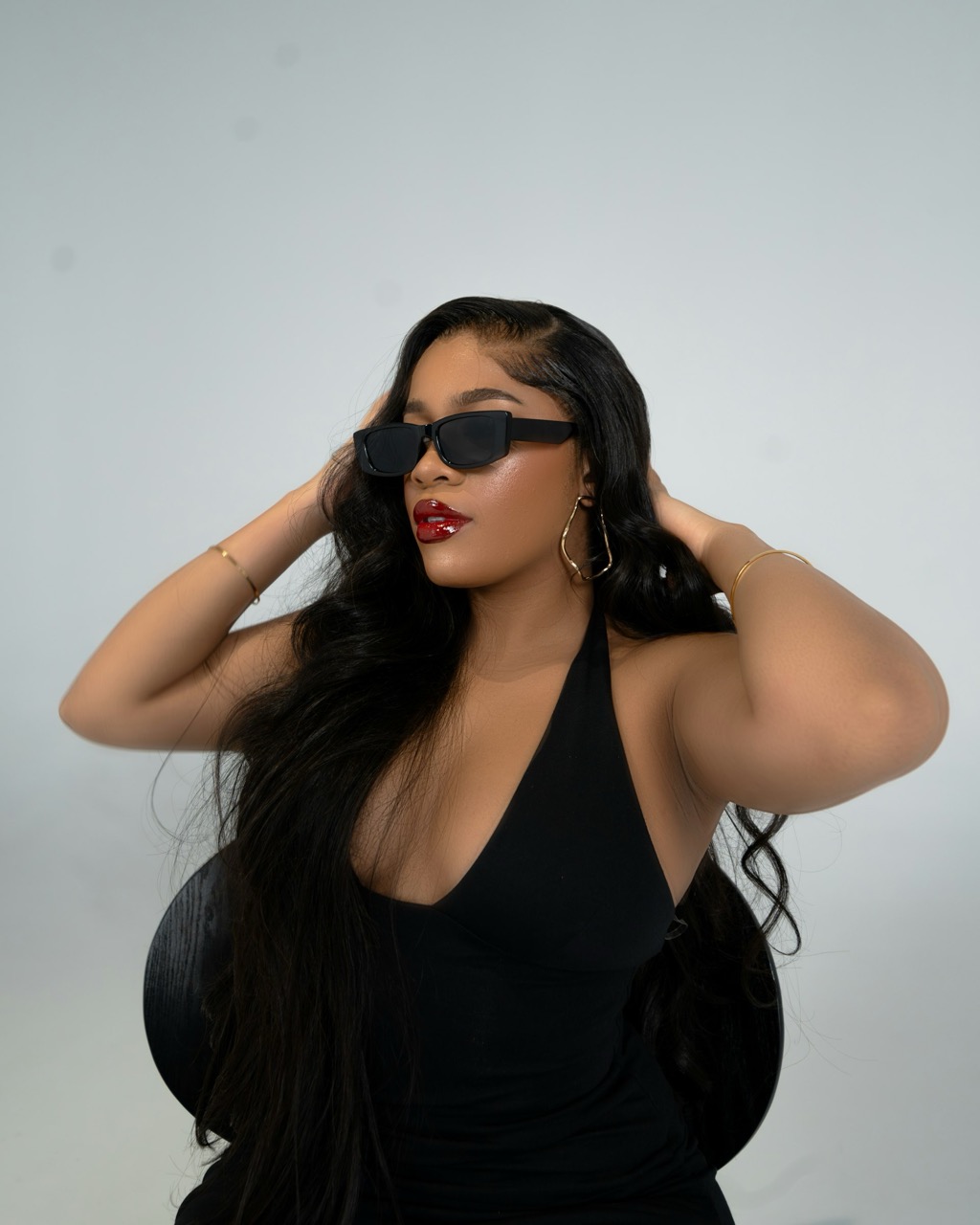
- Density: hair volume as a percentage, commonly 130 or 150. Length: measured stretched, not as worn. Texture: straight, body wave, deep wave, kinky curly and similar labels.
- Root shadow, rooted color, highlighted, ombre, color ring.
Application and care terms
- Wig cap or liner, braid down, adhesive, tape tabs, glueless, melting spray, lace tint, plucking, baby hairs.
- Wig stand, canvas block, sulfate free, leave in, wide tooth comb, loop brush, steaming, reviving.
Which terms actually mean something
This is the part most glossaries skip. A few of these words are anchored in law or in billing systems. Most are not.
Fiber content has a regulatory meaning. Under the federal rules implementing the Textile Fiber Products Identification Act, covered products must disclose the generic names of fibers present, and fibers present at less than 5 percent of total fiber weight must be labeled as other fiber rather than named, with named fibers listed in order of predominance by weight. Whether a given wig falls inside that rule is genuinely unsettled, since the covered categories are built around apparel and household textiles. But it is the reason blend percentages are the one number on a wig listing with any legal gravity behind it.
Cranial prosthesis is a billing term, not a product tier. It is the phrase used when a wig is being treated as a medical item rather than an accessory. The tax side shows how narrow that framing is: the IRS allows that the cost of a wig bought on the advice of a physician, for the mental health of a patient who has lost all their hair from disease, can be included in medical expenses. Note how specific that is. A seller calling a stock wig a cranial prosthesis has not changed anything about the product or about what your insurer or the tax code will accept. Check with your own plan and a qualified tax professional, never with the seller.
Virgin, raw and HD mean nothing enforceable. No regulator defines them for hair goods. They are positioning words. Treat them as a claim about price, not about the product.
The practical takeaway: when two listings disagree, trust the fiber content and the cap construction description over any adjective in the product name.