






When to Repair a Wig and When to Retire It
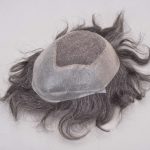
Lace tears, loose wefts and a thinning crown are often repairable. Cap elastic failure usually is not. How to get a quote, run the arithmetic, and dispose of a retired wig sensibly.

Lace tears, loose wefts and a thinning crown are often repairable. Cap elastic failure usually is not. How to get a quote, run the arithmetic, and dispose of a retired wig sensibly.
Numeric curl typing charts are commercial conventions, not measurements. Here is what actually varies physically in hair texture and how to shop when 3B means different things to different sellers.
How lace, polyurethane, monofilament and hybrid bases differ on realism, durability, bonding and breathability, and why the right choice depends heavily on your climate and activity level.
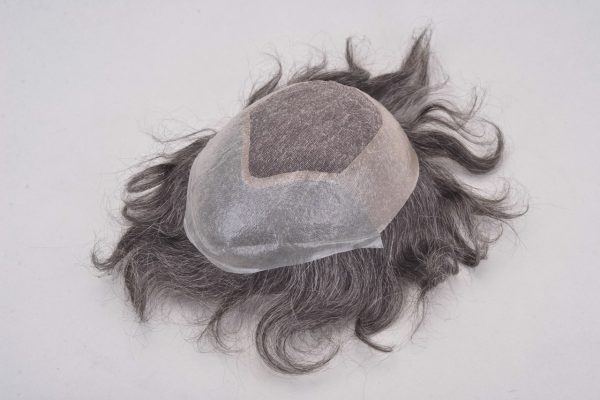
Circumference alone does not determine wig fit, because heads vary independently in length and width too. Here is where the tape actually goes and what to do between sizes.
Mats form because worn fiber surfaces grip each other. Working bottom up with enough slip and enough patience saves most wigs, and knowing when a mat is unrecoverable saves the rest.

Heat friendly fiber tolerates a low setting on a styling tool. It does not behave like human hair, and the failure mode when you exceed its limit is permanent.

Monofilament caps hand tie hair into a fine mesh instead of sewing it onto wefts. That changes how hair moves, how the scalp reads, and how the cap feels against skin that is already irritated.

A grouped glossary of the wig terms you will actually meet while shopping, with clear flags for which ones carry a regulatory meaning and which are pure marketing.

Full lace buys you parting freedom and updos. It also costs more, tears more easily, and usually means more adhesive against your skin. Here is how to decide which tradeoff you want.
Remy hair keeps every strand pointing the same way. Non-Remy does not, and the resulting friction is the reason some wigs mat within weeks no matter how you care for them.