Wig Guides and Articles
Honest, specific guides to wigs, toppers, and hair systems: fibers, cap construction, styling, care, and medical hair loss.

What Wig Labeling Claims Legally Mean
Most of the words on a wig listing carry no legal definition at all. Here is what federal textile labeling law actually requires, where wigs sit relat

Wig Parting: Creating a Believable Scalp Line
Factory partings read as fake because they are too straight, too dense and too uniform. Here is what real scalp density looks like and how to build a

When to Repair a Wig and When to Retire It
Lace tears, loose wefts and a thinning crown are often repairable. Cap elastic failure usually is not. How to get a quote, run the arithmetic, and dis

Understanding Hair Texture Categories and Wig Labeling
Numeric curl typing charts are commercial conventions, not measurements. Here is what actually varies physically in hair texture and how to shop when

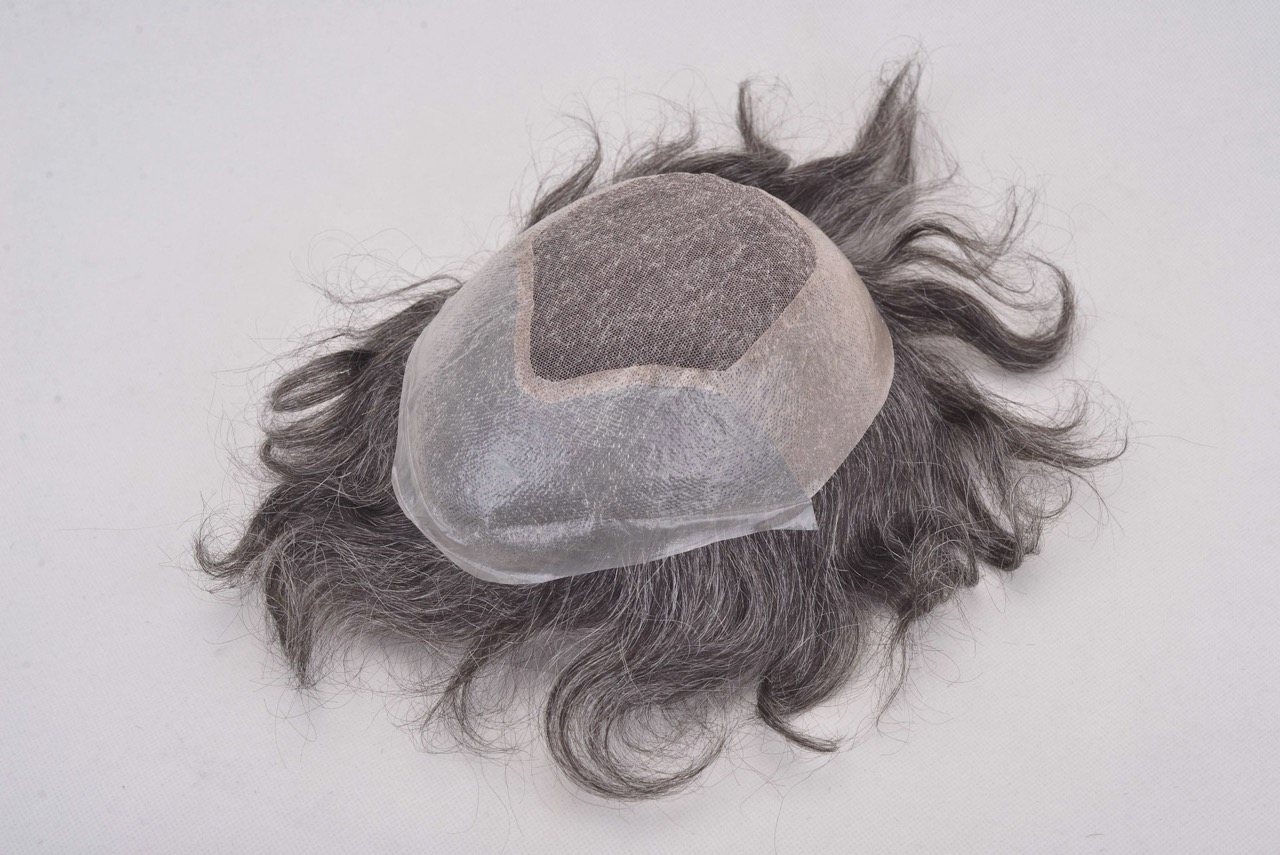
Hair System Base Materials: Lace, Poly, Mono, and Hybrids
How lace, polyurethane, monofilament and hybrid bases differ on realism, durability, bonding and breathability, and why the right choice depends heavi
How to Measure Your Head for a Wig Correctly
Circumference alone does not determine wig fit, because heads vary independently in length and width too. Here is where the tape actually goes and wha

Detangling a Matted Wig Without Losing Half the Hair
Mats form because worn fiber surfaces grip each other. Working bottom up with enough slip and enough patience saves most wigs, and knowing when a mat

What Heat-Friendly Synthetic Fiber Can and Cannot Do
Heat friendly fiber tolerates a low setting on a styling tool. It does not behave like human hair, and the failure mode when you exceed its limit is p

Monofilament Caps: Who Benefits Most From Them
Monofilament caps hand tie hair into a fine mesh instead of sewing it onto wefts. That changes how hair moves, how the scalp reads, and how the cap fe

Wig Terminology Glossary: 60 Terms Buyers Actually Encounter
A grouped glossary of the wig terms you will actually meet while shopping, with clear flags for which ones carry a regulatory meaning and which are pu

Lace Front vs Full Lace Wigs: What You Gain and Lose
Full lace buys you parting freedom and updos. It also costs more, tears more easily, and usually means more adhesive against your skin. Here is how to

Remy vs Non-Remy Hair: Why Cuticle Direction Matters
Remy hair keeps every strand pointing the same way. Non-Remy does not, and the resulting friction is the reason some wigs mat within weeks no matter h