





The honest summary is that online wins on price and selection, in person wins on everything you cannot photograph, and the gap between them is widest exactly when the purchase matters most.
What a listing photo cannot tell you
Three things, consistently.
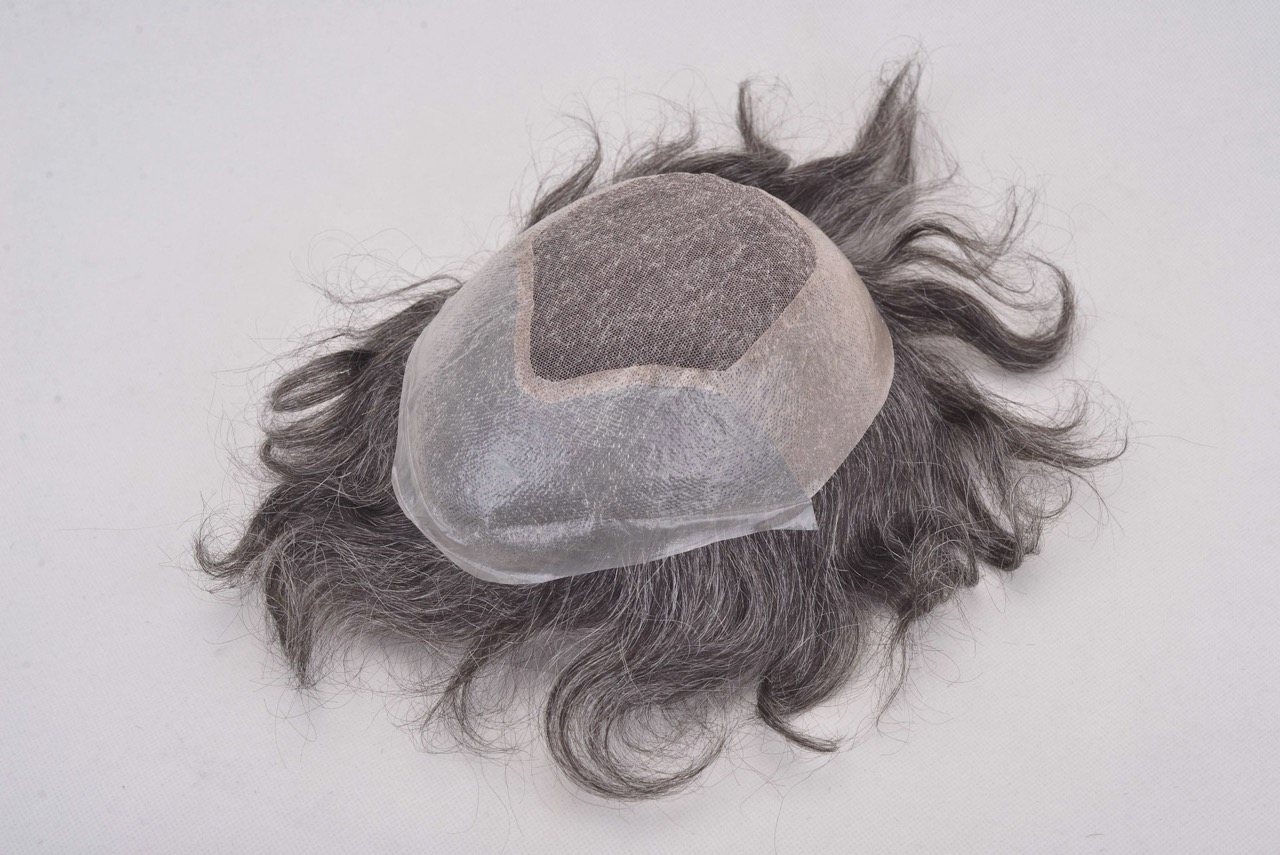
Color. Product photos are shot under controlled lighting and then processed. The same wig can look ash brown in a studio image, warm auburn in daylight and flatly gray under office fluorescents. Color rings help, but a ring viewed on your phone is still a photograph of a photograph.
Cap comfort. Nothing in a listing tells you whether the elastic at the nape digs in, whether the combs hit a tender spot, or whether the cap runs hot. Two wigs with identical spec sheets can feel completely different after four hours.
Knot visibility and parting realism. This is the difference between a wig that passes and one that does not, and it is exactly what gets airbrushed. In a shop you can hold the parting up to a window.
Returns are the real variable
Wigs are usually treated as hygiene items, which means many sellers refuse returns once the wig has been worn, or once the lace has been trimmed. Read that policy before you order, not after, and assume that any cutting you do is final.
Separate from a seller’s own policy, there is a federal baseline for shipment timing on distance sales. Under the Mail, Internet, or Telephone Order Merchandise Rule, if no shipping time is stated, shipment must be made within thirty days of a properly completed order, and when a seller cannot meet that, the rule requires offering the buyer a cancellation option and sending a prompt refund. This matters for wigs specifically because custom and made to order units routinely run long, and a vague “ships when ready” is not the same as no obligation.
What that rule does not do is give you a right to return a wig you simply do not like. That is entirely down to the seller’s policy, so treat the policy as part of the price.
What the listing should tell you and often does not
Fiber content is the specification with the most weight behind it. The federal textile labeling rules require covered products to name their constituent fibers by generic name in order of predominance by weight, and specify that fibers present at under 5 percent of total fiber weight be shown as other fiber rather than named. Whether wigs sit squarely inside those covered categories is unsettled, but the underlying principle is a good buying test regardless: a seller who will not state what the hair is made of, in percentages, is telling you something.
When in person is worth the premium
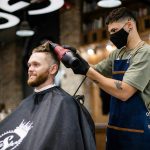
Shops charge more. Sometimes considerably more. It is worth it when:
- It is a medical wig. If you are buying during treatment or after significant loss, fit and comfort are not aesthetic preferences. A fitting appointment is the point.
- You are matching existing hair. Color matching against your own head, in daylight, cannot be done remotely with any reliability.
- It is your first wig. Trying on five caps teaches you more in an hour than a month of reading.
- You have an unusual head size or shape. Between sizes is a problem best solved with the wig on your head.
Questions worth asking a shop
What is the exchange policy after a fitting cut. Is styling included or extra. Which brands do they carry in your cap size, not just in general. Can you see the parting in natural light. Do they do repairs, and at what cost.
Document what arrives
For anything bought online, photograph the wig on the stand before you touch it, in daylight, including the parting, the nape and the inside of the cap. If there is a dispute later about condition or about whether the color matches the listing, that set of photos is the only evidence you will have.