






Traction alopecia is one of the few forms of hair loss that is almost entirely preventable and, caught early, largely reversible. It is also one of the most commonly missed, because the damage accumulates so gradually that people adjust their part or their styling to hide it long before they think of it as hair loss.
The mechanism
The cause is mechanical, not hormonal or autoimmune. The StatPearls clinical review of traction alopecia describes repeated tension on hair roots producing mechanical damage to the hair follicle and dermal papilla. Sustained pulling, repeated over months and years, is what does it. Chemical relaxers and heat styling do not cause traction alopecia on their own, but they compromise hair shaft integrity and increase susceptibility, which is why the combination of relaxed hair and tight styles is particularly high risk.
The numbers are not marginal. That review reports prevalence of up to 31.7 percent among South African adult women compared with 2.3 percent of men, 8.6 to 21.7 percent in children aged 6 to 15, and 18 percent of African American girls in one sample. The gap between women and men is a styling gap, not a biological one.
The practices involved
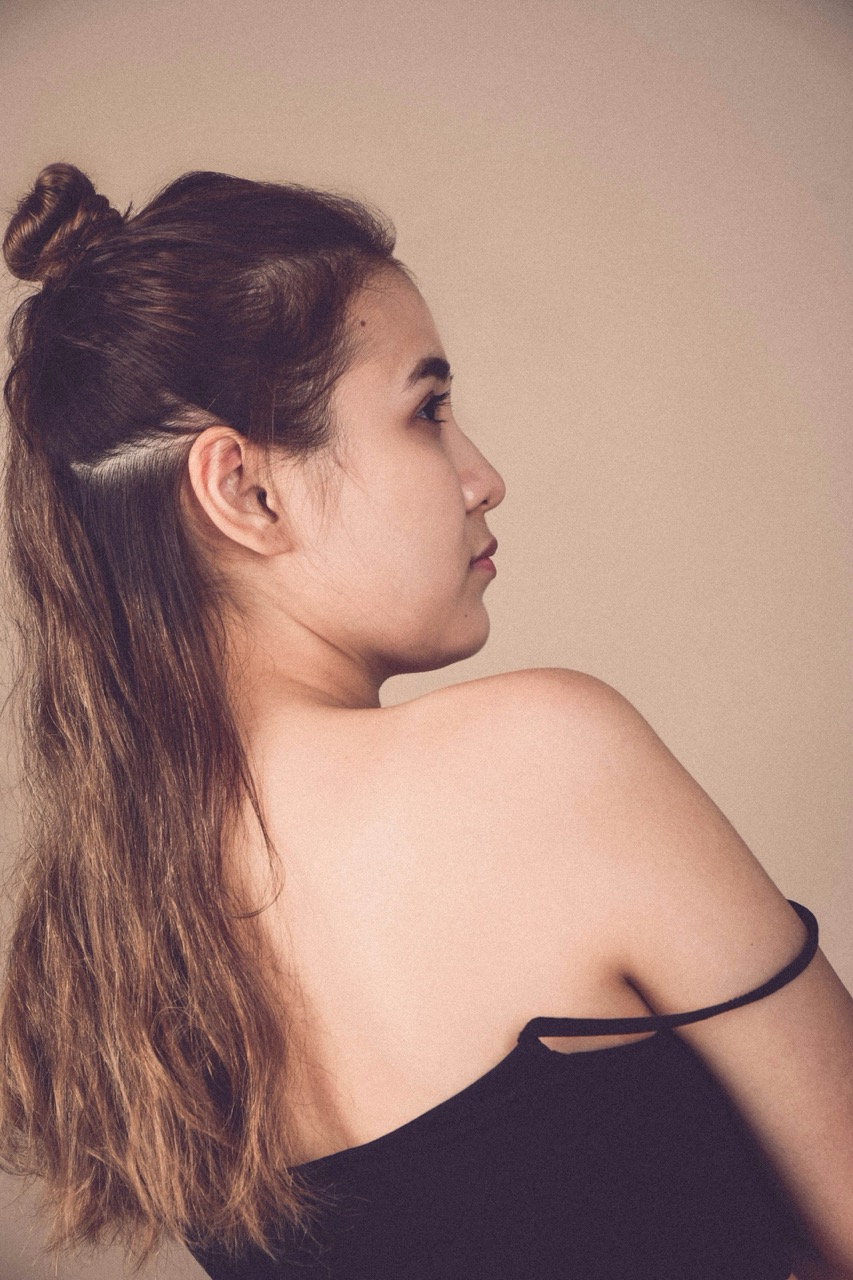
The American Academy of Dermatology names the specific culprits: cornrows, locs, tightly braided hair, tightly pulled buns, ponytails and up dos, hair extensions or weaves especially on relaxed hair, and styles requiring rollers worn to bed most of the time. The StatPearls review adds tight scarves and turbans, and notes occupational patterns in ballet dancers and military personnel.
None of these styles is inherently harmful. What matters is tension and duration. The AAD’s framing is that these styles should be worn only occasionally rather than as a permanent default, and that is a meaningfully different message from avoid them entirely.
The two stages, and why the difference is everything
Traction alopecia is biphasic. In the early stage, damage is nonscarring and reversible. A peer reviewed review in Clinical, Cosmetic and Investigational Dermatology notes that most cases can be reversed if appropriate interventions are taken at an early stage of the disease. The pulling forces cause an inflammatory response, which is why the earliest visible sign is perifollicular erythema, redness around the follicles, sometimes followed by folliculitis with pustules and papules.
In the late stage, that changes permanently. StatPearls describes chronic repetitive traction leading to follicular miniaturization, perifollicular fibrosis and eventually irreversible cicatricial alopecia from stem cell damage, which does not respond to medical therapy. Once the follicle is replaced by scar tissue, there is nothing left to regrow. At that point the options are surgical rather than medical.
Warning signs worth acting on
The AAD lists clear stop signs: pain from tightly pulled hair, stinging on the scalp, crusts on the scalp, and tenting, where sections of scalp are pulled up like a tent. It also flags broken hairs around the forehead, a receding hairline, and patches of hair loss where hair is pulled tightly.
Two more clinical signs are worth knowing about. Loss typically begins at the temporal and preauricular regions, above and in front of the ears, which is why people notice their hairline before anything else. And there is the fringe sign, described in StatPearls as the persistence of a row of fine, miniaturized hairs along the frontal or temporal hairline in front of the area of loss. A thin line of wispy hairs sitting ahead of a receded margin is a fairly specific tell.
Prevention
The AAD’s recommendations are concrete. Loosen braids, especially around the hairline. Opt for thicker braids and locs rather than fine tight ones. Keep braids and locs short, since longer hair is heavier and pulls more. Wear braids no longer than 6 to 8 weeks, and wear weaves and extensions only for short periods. Switch up your hairstyle regularly so hair can recover from tight styles, for example alternating between cornrows and looser braids, or going without a tight style for a stretch.
Underneath all of that sits the pain rule: if a style hurts, it is too tight. Discomfort at the time of styling is not something that has to be endured for the look to hold.
Both the AAD and the clinical literature emphasize early intervention, and the Clinical, Cosmetic and Investigational Dermatology review stresses that clinicians must educate high risk populations before damage becomes permanent. If you are seeing hairline recession, broken hairs at the temples, redness or pustules, see a board certified dermatologist promptly rather than waiting. This article is informational and does not diagnose or recommend treatment.