

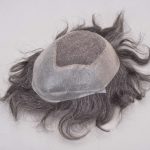






The single most useful idea in a growth-out is that growth and retention are different problems. Your follicles produce hair at a rate you do not control. What you do control is how much of that output survives to stay on your head. Wigs act entirely on the second variable, and every honest claim about wearing wigs to grow hair is really a claim about retention.
The actual growth rate, and why it matters
Scalp hair grows at a rate documented in the StatPearls review of hair physiology as roughly 0.35 mm per day, about 1 cm per month, or around 15 cm per year. The same source notes normal shedding of approximately 100 to 200 follicles per day, and that about 10 to 15 percent of hairs sit in the resting telogen phase at any given time.
Sit with those numbers before you start. One centimeter a month means a six-month growth-out yields about six centimeters, a bit under two and a half inches, and that is the ceiling under ideal conditions. Nothing you put on your scalp changes it. If a product or a protective style promises faster growth, the promise is about follicle biology, and there is no cosmetic route to accelerating it.
The daily shedding figure matters too. Losing 100 or so hairs a day is normal, so seeing hair in your cap or on your comb is not evidence that the wig is causing loss.
Where the real benefit lives
Length retention is largely a story about mechanical damage accumulating faster at the ends than new growth accumulates at the roots. Hair does not repair itself. The peer-reviewed review of hair cosmetics and fiber damage describes the cuticle as overlapping keratin scales whose shape and orientation produce hair’s differential friction effect, and explains that repeated grooming friction from combing and brushing progressively wears those scales away. It also notes that wet hair is particularly vulnerable, since virgin hair can be stretched about 30 percent when wet without damage but undergoes irreversible change beyond that.
A wig genuinely reduces this exposure. Hair kept braided or flat under a cap is not being combed out and restyled every morning, is not being heat-styled, and is not being pulled through a brush while wet. Cut the daily manipulation and thermal cycling, and the ends survive longer. That is the mechanism, and it is enough to make a visible difference over months. It is just not growth.
The tension trap that cancels the benefit
The failure mode is predictable. People commit to a long growth-out, wear a wig every day, and secure it by anchoring clips and combs into the same few centimeters of hair, or tightening a grip band hard at the perimeter. The American Academy of Dermatology guidance on hairstyles that pull is direct about what sustained pulling does: it causes traction alopecia, the warning signs include broken hairs around the forehead, a receding hairline and patches of loss where hair is tightly pulled, along with pain, stinging, crusts or a tented scalp, and traction alopecia can become permanent the longer it goes untreated.
The AAD also flags styles that need rollers worn to bed most of the time, and prefers sewn-in weaves to ones that use bonding glue, because those methods reduce pulling. Applied to a growth-out, the lesson is that tension at the hairline can destroy more than the protection saves, and the damage concentrates exactly where it is most visible.
Maintaining what is underneath
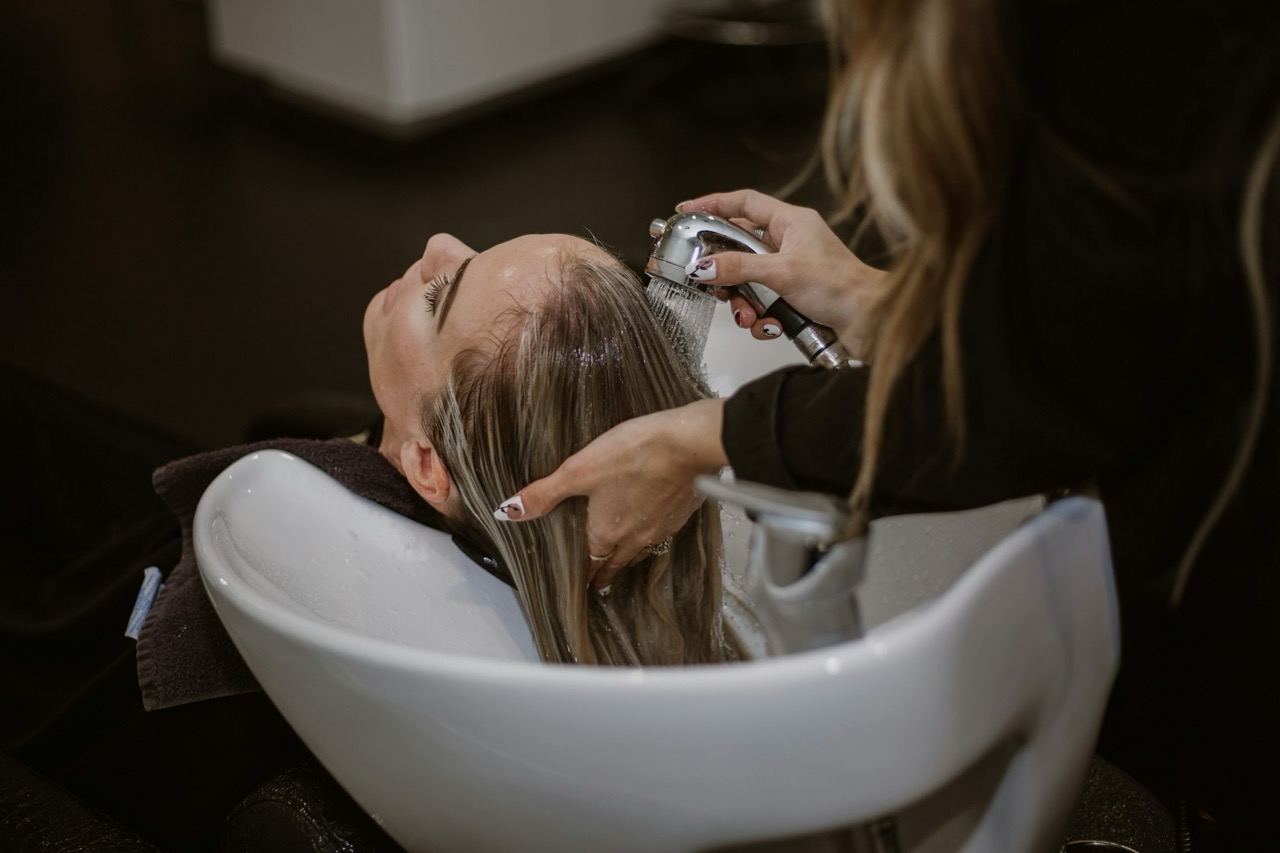
Hair under a wig still needs attention. Wash and condition the scalp and hair on a regular schedule rather than leaving a style in for weeks because it is hidden. Take braids or cornrows down and redo them periodically rather than letting them stay in until they are matted at the base. Rotate where clips and combs anchor. Trim as needed, because keeping split ends does not add length, it just moves the breakage point up over time. Give the scalp uncovered time, ideally overnight.
A realistic six-month plan is about one centimeter of new growth per month with fewer inches lost at the ends than an unprotected period would cost. That is a worthwhile result stated accurately.
This is informational only. If you notice thinning, a receding hairline, scalp pain, stinging or crusting, or shedding well beyond your normal, see a board-certified dermatologist rather than adjusting your routine and waiting.